

Introduction
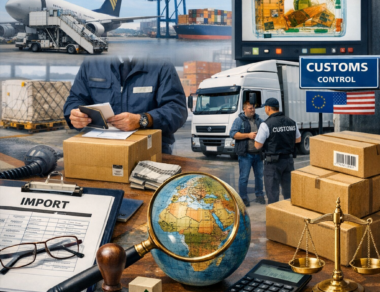
Importing products involves a series of steps ranging from evaluating suppliers to delivery at the final destination, including documentation, regulatory compliance and logistics management. Companies working in foreign trade need to see importing as an integrated process, where each decision has an impact on cost, time, quality and risk. The aim of this article is to present, in a practical and didactic way, the fundamentals for structuring an import operation with governance, transparency and efficiency. Throughout the text, key aspects such as supplier selection, document organization, logistics planning and control mechanisms that help reduce surprises during the import cycle will be discussed. In addition, process structures will be suggested that can be adapted to the reality of different sectors and company sizes, always focusing on the need for compliance and building a solid basis for strategic decisions.
Development
International supplier management
The quality of the source of supply directly influences all stages of the import, from compliance with standards to the final cost and delivery time. Structured supplier management makes it possible to reduce interruptions, avoid additional costs and maintain stable performance over time. The aim is to create an ecosystem of reliable partnerships, with clear qualification criteria, continuous monitoring and well-defined agreements.
- Define supplier qualification criteria based on capacity, delivery history and compliance.
- Conduct due diligence and risk assessment to identify potential weaknesses in the chain.
- Establish contracts with performance clauses, confidentiality and responsibility for the quality of items.
- Monitor the performance of each supplier and review agreements periodically to align targets and conditions.
- Apply a diversity of sources policy to reduce dependence on a single supplier.
To put this into practice, we recommend documenting the onboarding process for new suppliers, establishing an evaluation calendar and maintaining clear feedback between the purchasing, quality and logistics areas. An integrated view of each partner's performance facilitates decision-making, especially in times of variable demand or regulatory changes.
Documentation and regulatory compliance
Adequate documentation is essential for customs clearance, compliance with health, technical and safety requirements, as well as facilitating internal audits. Effective document management reduces rework, avoids delays and contributes to the traceability of each operation. Regulatory compliance requires continuous attention to the requirements of the country of origin, the country of destination and current trade agreements.
- Commercial invoice, packing list and invoice with consistent and legible information.
- Certificates of origin, certificates of technical conformity and other specific documents by product category.
- Import registrations, licenses or authorizations when required by the import control regime.
- Import declaration, customs acts, terms of responsibility and transport documentation for data checking.
It is important to maintain an organized repository of digital and physical documents, with version control and retention periods. Investing in staff training on tariff classification, HS codes, the applicable tax regime and compliance requirements reduces the likelihood of questions from the authorities or goods being returned.
Logistics and supply chain
Logistics is the link that turns documentation into merchandise available for business. Efficient planning of transportation, warehouses, border bottlenecks and customs clearance directly impacts total cost and cycle time. Adopting robust logistics management practices helps to maintain visibility, minimize the risk of delays and improve delivery reliability for internal and external customers.
- Choice of transport mode and conditions according to cost, time and merchandise requirements.
- Route planning, load consolidation and stock management to avoid stock-outs or excess inventory.
- Continuous tracking of goods, with visibility of stages from origin to delivery.
- Cargo insurance management, damage assessment and claims procedures to protect assets.
In practice, it is essential to align logistics planning with company demand, establish partnerships with reliable logistics operators and maintain contingencies for freight variations, space availability and border conditions. A set of performance indicators, such as clearance time, inventory accuracy and on-time delivery rate, serves as a compass for continuous improvement.
Risk management and governance
Risk management is the compass that guides compliance, conformity with internal policies and the protection of the company's reputation on the international stage. Solid governance involves internal controls, frequent training, integrity policies and auditing mechanisms that allow deviations to be detected before they become major problems. Without a governance structure, even well-planned operations can suffer significant impacts in complex foreign trade scenarios.
- Develop a clear compliance policy and promote regular training for purchasing, foreign trade and finance teams.
- Carrying out due diligence on third parties on an ongoing basis, focusing on integrity, compliance and reputation risks.
- Establish internal controls, segregation of duties and audit trails for each stage of the import process.
- Conduct periodic checks and risk assessments to identify vulnerabilities in processes, systems and suppliers.
In addition, risk management must include incident response plans, recall procedures when relevant and a policy of continuous improvement, which encourages the identification of failures, effective correction and the documentation of lessons learned. A culture of compliance, integrated into day-to-day operations, reduces legal, operational and financial exposures, strengthening the trust of clients, suppliers and partners.
Conclusion
Operating efficiently in foreign trade requires a holistic vision: prepared people, well-designed processes, reliable data and controls that protect the company at every stage of importation. By investing in supplier management, documentation and compliance, integrated logistics and governance, companies gain predictability, reduce hidden costs and gain agility in responding to market changes. This article has sought to provide a practical map for implementing or improving an import operation that is robust, scalable and aligned with the organization's strategic objectives. The path to continuous improvement involves standardizing procedures, measuring results and committing the entire team to quality, integrity and excellence in customer service.