

Introduction
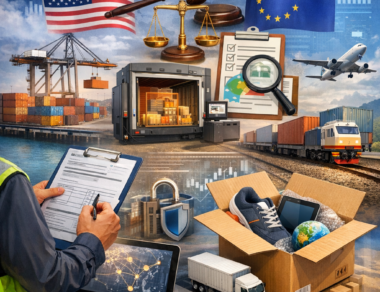
In 2026, import operations face a set of challenges and opportunities that demand a strategic stance from companies. Regulatory changes, technological advances, economic volatility and logistical disruptions make the foreign trade environment more complex, but also more efficient when well managed. Companies that act as importers need to align processes, governance and technology to maintain competitiveness, reduce costs and ensure continuity of supply. At this time, Foreign Trade Day, celebrated on January 28, serves as a relevant reminder that planning, compliance and innovation go hand in hand to increase the reliability of global operations. This article presents practical strategies for companies that import, with a focus on chain management, regulatory compliance, process digitalization and risk mitigation. By adopting an integrated vision between operations, technology and governance, organizations can turn challenges into a competitive advantage, minimizing delays, unforeseen costs and the impact of political or tariff changes.
Development
Management of global logistics chains
For importers, managing global logistics chains requires real-time visibility, proactive planning and contractual flexibility. Success depends on mapping each link in the chain, from the supplier to the warehouse, identifying critical dependencies, points of vulnerability and opportunities for optimization. Integration between internal sectors (purchasing, operations, finance) and with external partners (carriers, freight forwarders, customs brokers) enables a rapid response to interruptions, variations in demand and changes in route. In practical terms, companies should invest in end-to-end visibility, establish service agreements with carriers and use shipping and customs clearance portals that offer harmonized data. In addition, diversifying modes of transportation and suppliers, as well as contingency plans, help to reduce dependency on a single link. Adopting a resilient supply chain approach involves planning, monitoring and adjusting based on up-to-date data.
- Clear mapping of suppliers, carriers and forwarders
- Real-time visibility of shipment status
- Consolidating loads to reduce costs
- Contingency plans and alternative routes
- Integration between ERP, WMS and tracking systems
Regulatory compliance
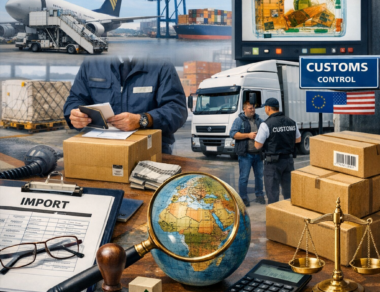
Maintaining regulatory compliance is key to avoiding delays, fines and rework. Importers need to keep up with changes in customs regimes, tariff classification, origin of goods, import licenses and sanitary or environmental requirements. The classification process must be accurate and auditable, as errors can lead to reclassification, tariff adjustments and delays in clearance. Adopting compliance practices involves checking documentation, validating licenses and using official portals to apply for licenses and registrations. In terms of documentation, maintaining the compliance cycle from the purchasing stage to customs clearance reduces rework. In addition, it is essential to maintain standards for invoices, packing lists, certificates of origin and other documents that prove product compliance. The use of digital solutions for compliance, such as automatic data validation and integration with government systems, facilitates governance and reduces clearance times. It is also useful to invest in in-house expertise or consultancies to keep staff up to date on frequently changing requirements and trade agreements between countries.
- Correct tariff classification (NCM)
- Complete and legible documentation
- Current licenses and certifications
- Compliance with rules of origin
- Updated internal policies
Digitization and automation of processes
Digitalization accelerates efficiency. Importers should prioritize integration between ERP, WMS, TMS, clearance and invoicing platforms. Automating repetitive processes with RPA technology, issuing documents electronically and digitizing invoices helps to reduce errors and speed up customs clearance. The adoption of customs portals, as well as data exchange via EDI, facilitates communication with authorities and partners. Data analysis and dashboards make it possible to monitor performance indicators, release times, total import costs and cycle times. In addition, digitalization facilitates compliance with actions related to Foreign Trade Day and e-government initiatives. In practical terms, it is advisable to map out critical processes, eliminate documentation bottlenecks, standardize data standards and establish a phased implementation plan. Investing in training teams to adopt new tools is just as important as choosing technological solutions.
- ERP/import platform integration
- Clearance portals and contracts with brokers
- Document automation and invoicing
- Dashboards and KPI monitoring
Risk mitigation in international trade
Risks are inherent to international trade: exchange rate variations, supply interruptions, political changes and logistical risks. Importers should maintain mitigation plans: supplier diversification, credit assessment, cargo insurance and contracts with protection clauses. Instead of relying on numbers, it's worth establishing credit limits with suppliers, assessing transportation security and keeping safety stocks when possible. Planning delivery windows and choosing Incoterms that clearly distribute responsibilities and costs helps to reduce surprises. Risk management also involves issues of sanctions, changes in tariffs, export controls in countries of origin and compliance with sanctions. Communication with internal and external customers is crucial: maintaining a risk communication plan for stakeholders helps avoid surprises. The use of transportation and credit insurance, as well as robust contracts, reduces exposure. Monitoring external variables, such as geopolitical trends and logistics flows, facilitates the response.
- Contingency plan for outages
- Supplier and credit assessment
- Cargo insurance and payment protection
- Incoterms clauses aligned with risks
- Monitoring macro and logistical variables
Conclusion
The conclusion is that the competitiveness of importers depends on an integrated vision that combines governance, technology and operations. By structuring resilient chains, maintaining regulatory compliance and moving forward with digitalization, companies reduce vulnerabilities, speed up clearance and increase cost predictability. The recommended path is to start with a diagnosis of bottlenecks, prioritize actions with a quick impact and monitor relevant metrics. On January 28, Foreign Trade Day, the importance of responsible and efficient practices is reinforced - pillars for building lasting partnerships with suppliers, carriers and authorities. Companies that invest in quality data, standardized processes and trained teams gain a competitive edge and ensure continuity of supply for their customers. Finally, maintain a continuous improvement plan, with periodic reviews of processes, technologies and governance, to transform the challenge of international trade into an opportunity for sustainable growth.